
Don't Mess Around with Your Body Clock
If you don't snooze, you lose...
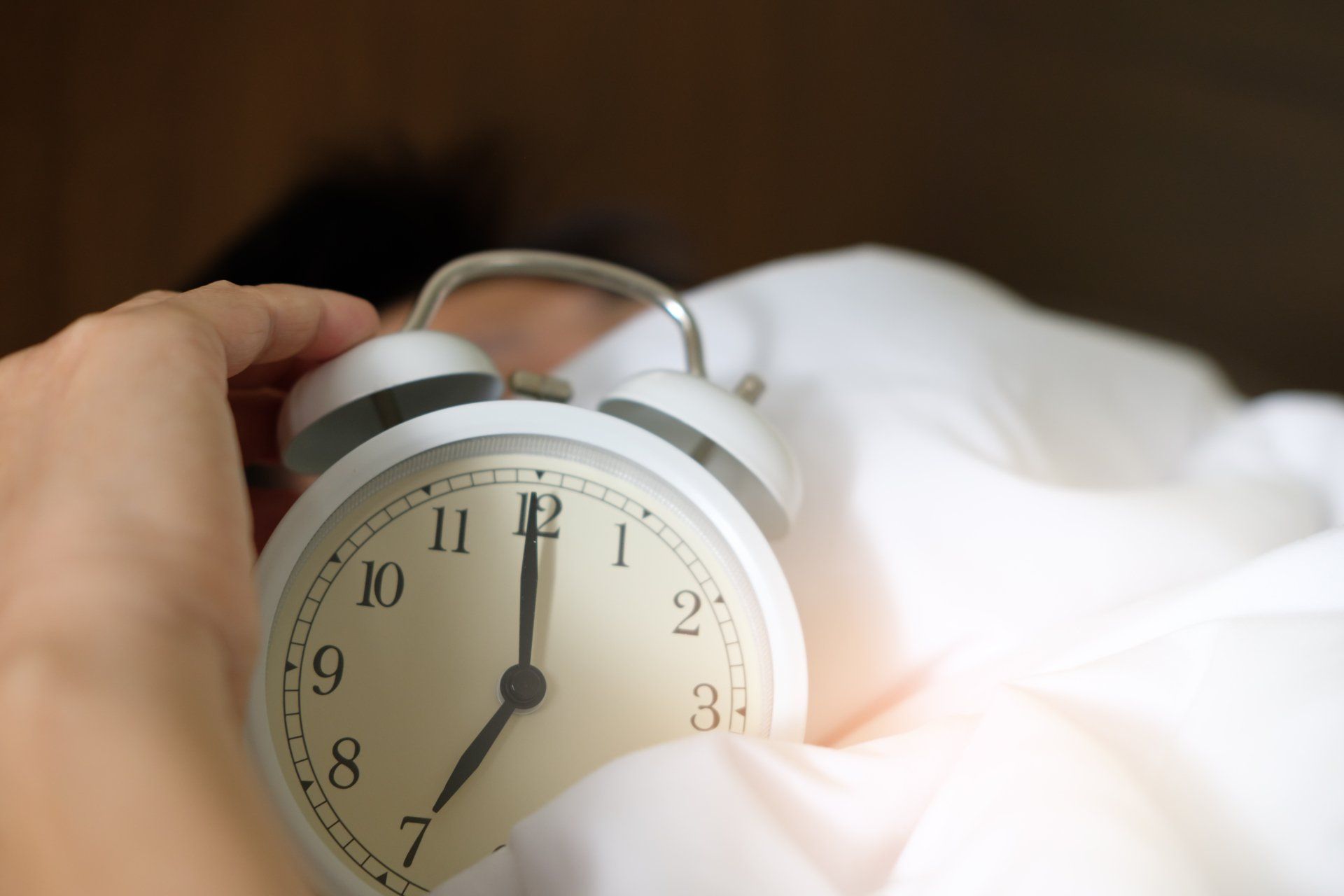
“I am sleeping so much better!” We hear this a lot from patients who start acupuncture at Pulling Down the Moon. Sleep feels great, but it’s more important than that for women who are trying to conceive. In fact, it's important to acknowledge the impact that sleep has on fertility. With the added stress of fertility treatment and the emotional strain of IVF, miscarriage, and other aspects of this journey, sleep is one place we can’t skimp when it comes to self-care.
A recent review in the International Journal of Molecular Science outlines recent key findings that clearly show that disruptions in our circadian rhythms caused by stress and other lifestyle factors severely scramble the intricate hormonal and metabolic networks that orchestrate our ability to conceive.
The researchers go on to describe how “clock genes” work to regulate our body’s 24 sleep/wake cycle as well as key reproductive activities like egg maturation, luteinizing hormone (LH) surge, sperm production, embryo fertilization and development. The ability to create knockout mouse models (a knockout mouse is a lab mouse where researchers have inactivated, or "knocked out," an existing gene by replacing it or disrupting it with an artificial piece of DNA) has demonstrated the importance of circadian rhythms for reproduction. Animals with knocked out clock genes produce low levels of sex hormones, experience embryo implantation failure and lower offspring viability.
Unfortunately, many of us experience disruptions in circadian rhythms due a variety of factors including light, time, mood and food.
Here are some tips for restoring your body clock:
- Light disrupts our body clock so it’s important to sleep in a dark room and avoid electronic devices before bed. Bright light at bedtime can inhibit melatonin secretion, which is a major driver of our circadian rhythm.
- Depression and other mood disorders are associated with disruptions in circadian rhythm. Treating depression with psychotherapy, photo-therapy and antidepressants can help mood-related disruption in circadian rhythms.
- Food and insulin levels. Eating too close to bedtime can cause a higher than usual spike in insulin levels. This can cause disrupt metabolic function in ways that lead to lighter, more disrupted sleep.
- Create a sleep and meal schedule. Be consisted with your mealtimes and bedtime.
Acupuncture,
yoga,
nutrition, and
massage are also useful for regulating circadian rhythms. These modalities work in a number of ways, from reducing circulating levels of cortisol to training our body to initiate the relaxation response.
If you’re not finding success on your fertility journey, please let us help!
Click here to schedule a Start Here consultation and learn more about Pulling Down the Moon’s group of expert providers and supportive community.
Share on Social
Discuss With Us
Our Latest Resources