Modern Research on Acupuncture for Fertility and IVF Success
It’s common to feel like your body is doing its own thing when you’re trying to conceive. One month brings hope, the next brings questions, and somewhere in between, anxious feelings can begin to pile up in the back of your mind. Many women start looking for ways to feel more connected to their bodies again and to support what’s already happening beneath the surface.
Over the past two decades, research has increasingly explored how holistic treatments such as
acupuncture can complement fertility care, particularly alongside IVF or
IUI. The findings are promising and continue to evolve. While acupuncture is not a substitute for medical treatment, it can play a supportive role when used in conjunction with it.
At Pulling Down the Moon, we’re big believers in blending modern science with whole-body care. For those navigating fertility challenges or preparing for IVF, this kind of support can make a meaningful difference.
How Acupuncture Supports Fertility and IVF Outcomes
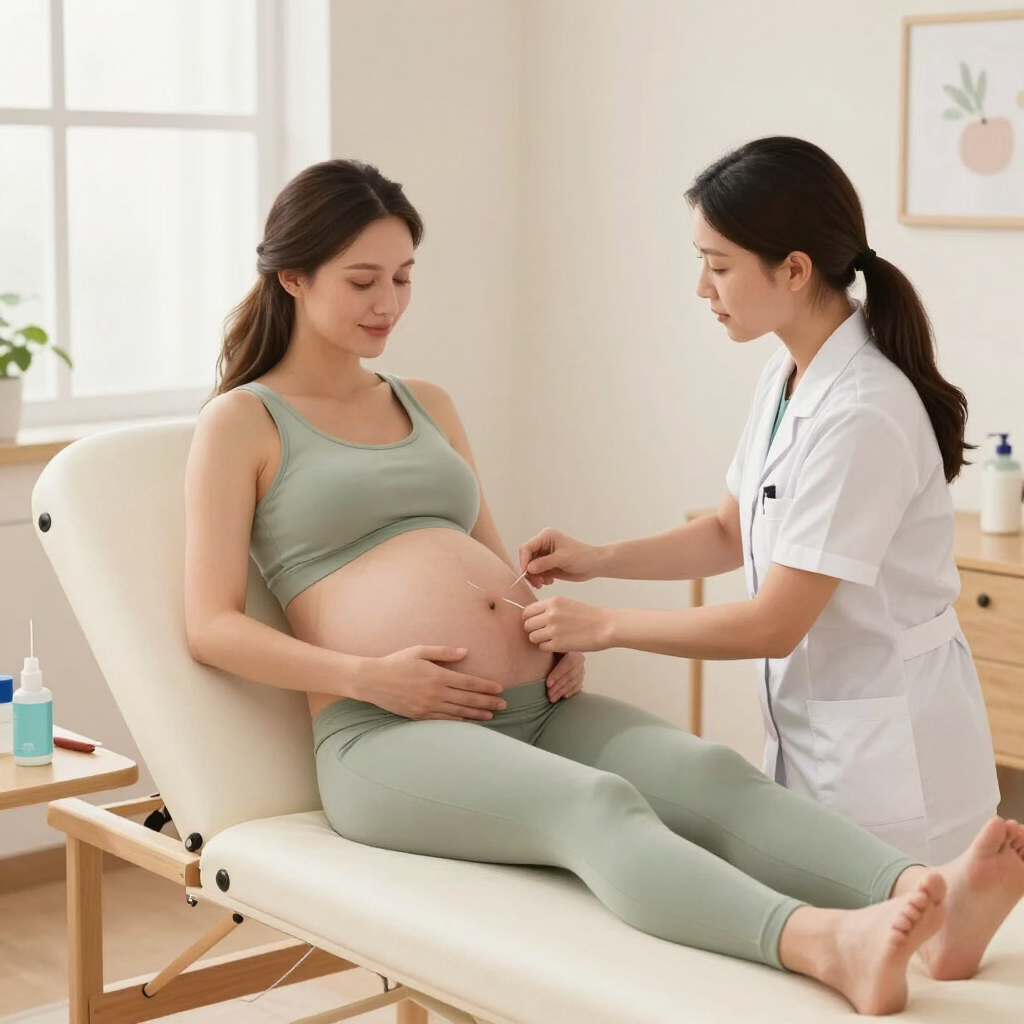
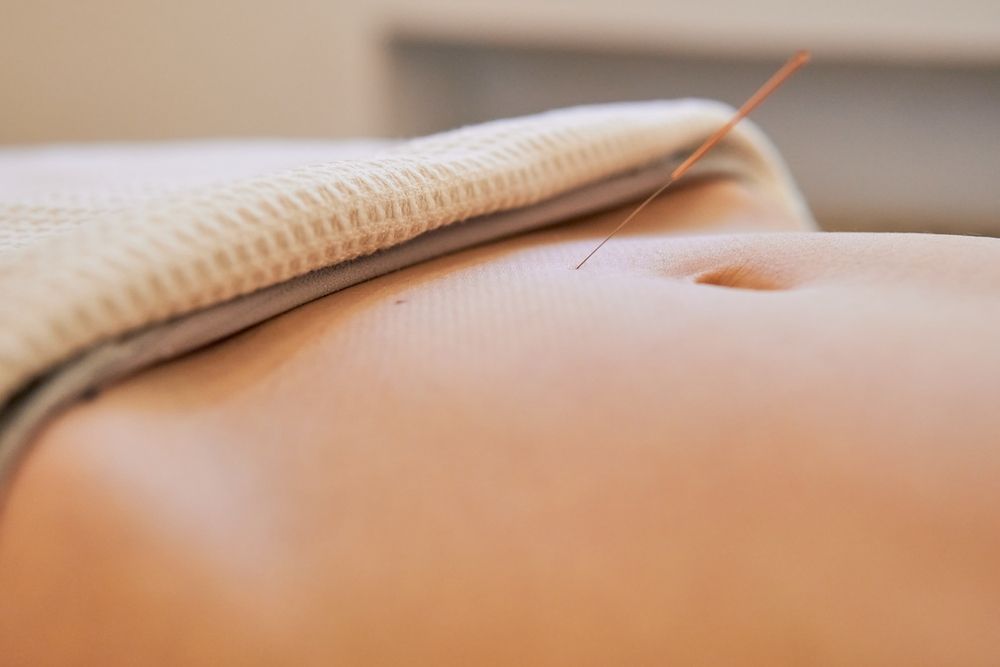
Acupuncture involves the placement of very fine needles
at specific points on the body. These points correspond to pathways (called meridians) that influence organ systems, circulation, and nervous system regulation. [1] And when it comes to reproductive health, acupuncture actually works through a few key physiological pathways.
First, it improves blood flow. Increased circulation to the uterus and ovaries can help create a more receptive environment for implantation. Think of it as nourishing the tissues involved in conception, helping them function more efficiently.
Second, acupuncture helps regulate hormones. The endocrine system, which controls hormone production, is highly sensitive to stress and internal imbalance. Acupuncture supports communication between the brain and reproductive organs, helping to stabilize cycles and promote ovulation.
Third, it reduces stress. This isn’t just about feeling calmer, although that matters too. Elevated cortisol levels can interfere with reproductive hormones. Acupuncture has been shown to activate the parasympathetic nervous system, shifting the body out of a stress response and into a state where healing and reproductive function are more likely to occur.
In IVF cycles, these effects become especially relevant. The process can be physically demanding and emotionally intense. Acupuncture offers support during stimulation, retrieval, and transfer, helping the body respond more smoothly at each stage.
So while acupuncture might feel relaxing (and it is), there’s a lot happening beneath the surface.
The Role of Acupuncture in Reproductive Health
Fertility isn’t just about one organ or one moment in time, but rather a full-body process. It’s influenced by sleep, digestion, emotional well-being, and circulation.
Unlike other treatment options that target only a single symptom, acupuncture works system-wide to support [2]:
Hormonal Balance
Acupuncture can influence the hypothalamic-pituitary-ovarian (HPO) axis, or the communication loop that regulates your cycle. When this system is out of sync, it can affect ovulation, cycle timing, and overall reproductive health.
Ovarian Function
By improving blood flow and reducing oxidative stress, acupuncture may support ovarian responsiveness, follicle development, and egg quality.
Uterine Lining Development
A well-nourished uterine lining is essential for implantation. Acupuncture helps increase blood flow to the uterus, which may support endometrial thickness.
Stress and Emotional Well-Being
Acupuncture helps regulate cortisol (your stress hormone) and activates the parasympathetic nervous system (your “rest and receive” mode). Regular sessions often lead to better sleep, improved mood, and a greater sense of control during a process that can feel uncertain.
Reproductive Benefits of Fertility Acupuncture
So what does all of this actually translate to in real life?
Women who incorporate acupuncture into their fertility care often report:
- More regular menstrual cycles
- Reduced PMS symptoms
- Improved sleep
- Better stress management
- Increased sense of control and support
From a clinical standpoint, research has associated acupuncture for fertility with:
- Higher pregnancy rates in IVF cycles
- Improved implantation rates
- Better regulation of ovulation
- Reduced miscarriage risk in some populations
- Lower stress and anxiety levels during fertility care
In fact, it’s been found that women who received acupuncture around the time of embryo transfer had significantly higher pregnancy rates compared to those who did not [3].
Now, it’s important to be clear, acupuncture isn’t a magic switch. But it is a powerful supportive therapy that helps optimize your body’s natural processes.
Think of it as creating the best possible environment for conception to occur.
Modern Research on Acupuncture and Fertility
This is where things get especially interesting. Over the past two decades, researchers have taken a much closer look at acupuncture and fertility, especially in the context of IVF. And while individual study results can vary, the overall trend is promising.
Early Clinical Findings
In a 2002 study, a reported pregnancy rate of 42.5% in the acupuncture group compared to 26.3% in the control group [4]. Treatments were timed immediately before and after embryo transfer, suggesting that even short-term intervention may have an impact.
Researchers proposed a few mechanisms:
- Increased uterine blood flow
- Reduced uterine contractions during transfer
- Calming effect on the nervous system
- These findings led to a wave of follow-up studies exploring timing, frequency, and patient populations.
Expanding Evidence Through Meta-Analyses
More recent research has taken a broader view. In a 2020 review, multiple randomized controlled trials were analyzed examining acupuncture in IVF cycles [5].
The conclusions pointed toward several trends:
- Acupuncture may improve clinical pregnancy rates when performed around embryo transfer
- Protocol consistency matters, meaning timing and frequency influence outcomes
- Stress reduction plays a measurable role in success rates
Some analyses show mixed results, which is important to acknowledge. Variability in study design, practitioner technique, and patient characteristics can all influence outcomes. That said, when acupuncture is applied in a structured and consistent way, the data tends to lean positive.
What About Success Rates?
When people search for “acupuncture for fertility success rates,” they’re usually hoping for a clear number. However, the reality is more nuanced.
Rather than a single percentage, research suggests relative improvement. In several studies, acupuncture groups show higher pregnancy rates compared to control groups, often in the range of 10 to 20 percentage points, depending on the protocol [6].
It’s also worth noting that acupuncture appears to be most effective as part of a broader care plan rather than a one-time treatment.
Mechanisms Supported in Research
Modern studies continue to explore how acupuncture works at a biological level. Some of the most consistent findings include [4]:
- Improved uterine artery blood flow: Doppler ultrasound studies show reduced resistance in blood vessels supplying the uterus
- Neuroendocrine regulation: Acupuncture influences neurotransmitters and hormones involved in reproduction
- Reduced cortisol levels: Lower stress hormones support a more favorable reproductive environment
- Immune modulation: Some research suggests that acupuncture may help regulate immune responses that affect implantation
These mechanisms align closely with what practitioners observe clinically, creating a bridge between traditional practice and modern science.
Integrating Acupuncture Into IVF Treatment Plans
Timing plays a big role in how acupuncture is used during IVF [7].
Here’s a general framework that many fertility-focused acupuncturists follow:
Before IVF (Preparation Phase)
Starting acupuncture
2 to 3 months before an IVF cycle allows time to:
- Regulate menstrual cycles
- Improve ovarian response
- Support egg quality
- Build a healthier uterine lining
This phase often includes weekly sessions and may incorporate nutrition and lifestyle recommendations.
During Stimulation
Acupuncture can help the body respond to medications, reduce side effects, and support follicle development.
Around Egg Retrieval
Sessions may focus on relaxation, reducing discomfort, and supporting recovery.
Embryo Transfer
This is one of the most researched time points. Acupuncture is often performed:
- Within 24 hours before transfer
- Shortly after transfer or as close to transfer time as possible
The goal is to improve uterine receptivity and promote a calm, stable environment for implantation.
After Transfer
The two-week wait can be emotionally intense. Continued acupuncture sessions may help manage stress and support early pregnancy.
Finally, consistency matters more than intensity. A steady rhythm of care tends to produce better results than sporadic visits.
Experience Our Approach to Fertility Acupuncture
At Pulling Down the Moon, we don’t believe in one-size-fits-all care, especially when it comes to fertility.
Each treatment plan is shaped around your specific history, your goals, and how your body responds over time.
Our team stays informed on current research while also paying close attention to what we see in practice every day. That combination allows for care that feels both grounded and personal.
Sessions may include:
- Acupuncture tailored to your cycle or IVF timeline
- Acupuncture during gestation
- Nutritional guidance to support reproductive health
- Massage or bodywork to improve circulation and reduce tension
- Mind-body support to help you stay steady through the process
Many of our patients appreciate having a space where they can ask questions, process emotions, and feel supported in a way that extends beyond lab results and appointments.
If you’re curious about how acupuncture could fit into your fertility plan, you’re always welcome to explore your options. Reach out today to learn more, check insurance coverage for acupuncture, or schedule a visit when it feels right for you.
References
1. Mayo Clinic. (2024, April 20). Acupuncture. https://www.mayoclinic.org/tests-procedures/acupuncture/about/pac-20392763
2. Cochrane, S., Smith, C. A., Possamai-Inesedy, A., & Bensoussan, A. (2014). Acupuncture and women's health: an overview of the role of acupuncture and its clinical management in women's reproductive health. International journal of women's health, 6, 313–325. https://doi.org/10.2147/IJWH.S38969
3. Dehghani, A. S., Homayouni, K., Kanannejad, Z., & Kanannejad, Z. (2020). The effect of acupuncture on the day of embryo transfer on the in vitro fertilization outcomes: An RCT. International journal of reproductive biomedicine, 18(3), 209–214. https://doi.org/10.18502/ijrm.v18i3.6719
4. Paulus WE, Zhang M, Strehler E, El-Danasouri I, Sterzik K. Influence of acupuncture on the pregnancy rate in patients who undergo assisted reproduction therapy. Fertil Steril. 2002 Apr;77(4):721-4. doi: 10.1016/s0015-0282(01)03273-3. PMID: 11937123.
5. Guven, P. G., Cayir, Y., & Borekci, B. (2020, March 1). Effectiveness of acupuncture on pregnancy success rates for women undergoing in vitro fertilization: A randomized controlled trial. ScienceDirect. https://www.sciencedirect.com/science/article/pii/S1028455920300188
6. Fu, Q.-W, et al. (2025, April 24). Acupuncture for women undergoing in vitro fertilization: An updated systematic review and meta-analysis with trial sequential analysis. ScienceDirect. https://www.sciencedirect.com/science/article/abs/pii/S0020748925001063
7. Belsterling, C. (2025, June 18). Acupuncture Significantly Reduces Stress, Pain, and Anxiety for Patients Undergoing IVF. University Hospitals. https://news.uhhospitals.org/news-releases/articles/2025/06/acupuncture-reduces-stress-pain-and-anxiety-for-ivf-patients
Share on Social
Discuss With Us
Our Latest Resources