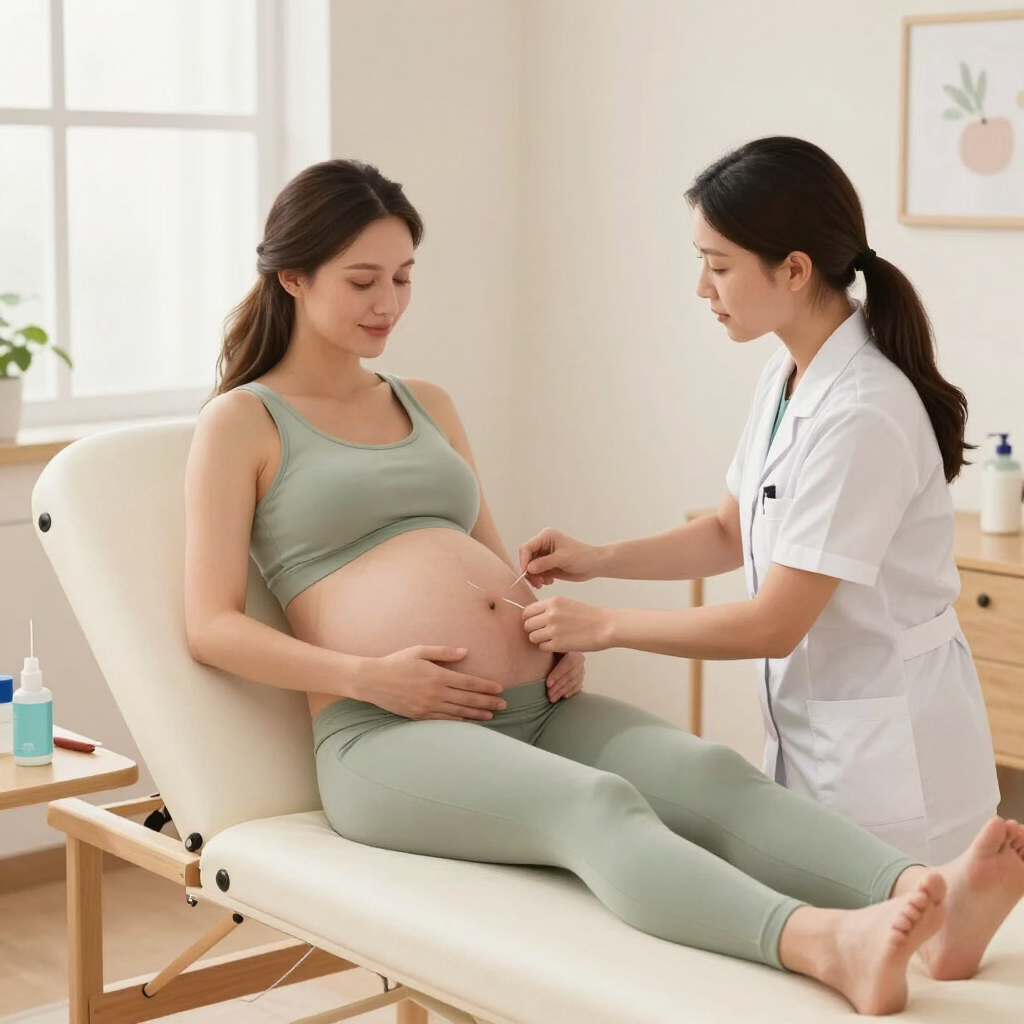
The Effects of Fertility Acupuncture on IVF Success Percentages

Trying to conceive, especially when you’re going through IVF, can feel like a full-time job layered on top of real life. Between appointments, medications, and emotional ups and downs, it’s completely normal to look for ways to support your body and feel more in control of the process.
This is often when supportive therapies enter the conversation, not as a replacement for treatment, but as a way to help the body stay more regulated and responsive throughout the process.
Acupuncture is one of the most commonly considered options in that space. Its structure is different from conventional care, focusing less on individual steps and more on how systems in the body work together over time. When layered into an IVF plan, it offers a way to support circulation, hormone signaling, and the nervous system in a steady, consistent rhythm.
Understanding how that structure works, and what it’s actually doing in the body, makes it easier to see where acupuncture can fit into the overall experience.
How Does Acupuncture For Fertility Work?
Acupuncture is rooted in Traditional Chinese Medicine (TCM), which views the body as an interconnected system rather than a collection of separate parts. The goal is to restore balance by supporting how different systems communicate and function together.
From a modern perspective, acupuncture works by stimulating specific points on the body using
very fine, sterile needles [1]. This stimulation can:
Increase blood flow to targeted areas
Influence the nervous system
Support hormone regulation
Reduce inflammation
Promote relaxation
In the context of acupuncture for fertility and IVF support, these effects are especially relevant. IVF is a highly coordinated process, and anything that helps regulate the body’s internal environment, such as circulation, hormones, and stress response, can contribute to how the body responds.
Acupuncture is also highly individualized. Treatments are tailored based on personal health history, cycle timing, and overall presentation, rather than a one-size-fits-all protocol.
Benefits of Acupuncture During IVF Treatment
There’s growing interest in how acupuncture may support
IVF outcomes. While research results are still evolving, several consistent benefits stand out, particularly in areas that influence implantation and overall reproductive health.
Improves Blood Flow
One of the most well-documented effects of acupuncture is its ability to improve circulation [2].
In fertility care, this often means increased blood flow to the uterus and ovaries. Better circulation can help:
- Support the development of the uterine lining
- Improve oxygen and nutrient delivery to reproductive organs
- Create a more receptive environment for embryo implantation
Some studies suggest that improved
uterine blood flow may be associated with better clinical outcomes in IVF cycles [3]. Even outside of research, this is a key focus in acupuncture protocols designed to support reproductive health.
Reduces Stress
IVF can be physically demanding, but it’s also emotionally intense.
Acupuncture is widely known for its calming effects on the nervous system. Many people report feeling deeply relaxed during and after sessions, sometimes even falling asleep on the treatment table.
From a physiological standpoint, acupuncture may help [4]:
- Lower cortisol (stress hormone) levels
- Support parasympathetic (rest-and-digest) activity
- Improve sleep quality
Stress alone isn’t the sole factor in fertility challenges, but
chronic stress can influence hormone balance and overall well-being. Creating space for the body to shift out of a constant “on” state can be an important part of the process..
Improves Odds of Having a Baby with IVF
Interest in acupuncture often centers on outcomes, particularly the likelihood of pregnancy and live birth during IVF. Research in this area continues to evolve, but many studies and meta-analyses have found that acupuncture, especially when timed around embryo transfer, is associated with improved pregnancy outcomes.
What stands out across the research is how consistently acupuncture supports key physiological factors tied to success. It has been shown to improve uterine blood flow, regulate the nervous system, and support hormonal balance, all of which play a role in how the body responds during an IVF cycle [5].
Rather than acting as a standalone solution, acupuncture works in conjunction with medical treatment, helping to create a more receptive and supported internal environment.
It is also widely regarded as low-risk when performed by a trained practitioner, making it a thoughtful addition for those looking to support their body throughout IVF.
When Should You Start Acupuncture for Your IVF Cycle?
Timing can play an important role in how acupuncture supports IVF.
In many cases, starting acupuncture 2-3 months before an IVF cycle is recommended. This allows time to:
- Support egg quality and ovarian function
- Regulate menstrual cycles
- Improve baseline hormone balance
- Reduce inflammation and stress
During the IVF cycle itself, acupuncture is often continued at key points, including:
- During ovarian stimulation
- Around egg retrieval
- Before and after embryo transfer
Some protocols specifically focus on acupuncture sessions on the day of embryo transfer, as this timing has been studied in relation to implantation support.
For male partners, beginning acupuncture a few months ahead of IVF may also support sperm health, including motility and overall quality.
Because every situation is different, timing is typically adjusted based on individual needs, cycle schedules, and underlying factors.
Potential Risks Involved in Acupuncture During IVF Treatment
One of the reasons acupuncture is often recommended as a complementary therapy is its strong safety profile.
When performed by a licensed and experienced practitioner, acupuncture is generally considered safe with minimal side effects.
That said, a few things to keep in mind:
- Mild bruising or soreness at needle sites can occur
- Some people feel lightheaded after treatment (usually brief)
- It’s important to work with practitioners experienced in fertility care
There are also specific points and techniques that are avoided during certain phases of an IVF cycle or early pregnancy. This is why working with a trained fertility acupuncturist is key, since they understand how to adjust treatments appropriately.
Overall, compared to many other interventions, acupuncture is considered low-risk and well-tolerated.
Pulling Down the Moon’s Acupuncture Therapy for Fertility
At Pulling Down the Moon, acupuncture is approached as part of a larger, whole-body strategy to support fertility.
For more than 20 years, the team has worked alongside individuals and couples navigating all kinds of fertility paths (including IVF and IUI), offering care that integrates both research and clinical experience.
Fertility-focused acupuncture sessions are designed to support:
- Blood flow to reproductive organs
- Hormonal balance
- Egg and embryo quality
- Stress reduction
- Inflammation levels
Each session begins with a detailed intake, looking at health history, cycle patterns, and current goals. From there, treatments are tailored to meet the body where it is, whether that’s preparing for an upcoming IVF cycle or supporting the body during it.
Here’s how we support you:
- Personalized treatment plans based on your cycle, history, and goals
- Support for IVF and IUI cycles
- Focus on improving egg and embryo quality
- Hormone regulation and menstrual cycle support
- Increased blood flow to reproductive organs
- Stress reduction and emotional support
- Reduced inflammation
- Support for both female and male fertility
Many patients choose to combine acupuncture with
other supportive services like nutrition counseling,
fertility massage, or yoga. Together, these approaches create a more comprehensive support system that addresses both the physical and emotional aspects of the experience.
Pulling Down the Moon also collaborates with top fertility clinics in Chicago, making it easier to integrate acupuncture into an existing IVF plan.
A Supportive Layer, Not a Standalone Solution
Acupuncture isn’t a replacement for IVF, and it isn’t a guarantee of a specific outcome. But it can be a meaningful addition that supports how the body responds throughout the process.
For many, it becomes a consistent, grounding element in what can otherwise feel like a highly clinical experience. A place where the focus shifts, even briefly, from procedures and protocols to
overall well-being.
Ready to Support Your IVF Journey?
IVF asks a lot of the body in a short period of time. Medications, procedures, and timing all work toward a specific outcome, but how the body responds along the way still matters.
Acupuncture offers a way to support that response. It helps create steadier conditions internally, from circulation to stress levels to hormonal signaling, so the body is better supported within the cycles.
For many, that support becomes something consistent to return to. A space where care feels more personal, where the focus expands beyond the next step on the calendar.
At Pulling Down the Moon, acupuncture is integrated into a broader approach that looks at the full picture. Each session is tailored to where things stand right now and how best to support what comes next.
If you’re ready to feel more supported in your fertility journey, we’re here for you. Reach out today to book a consultation appointment with our team or
explore our insurance and affordability options.
References
1. Mayo Clinic. (2024, April 20). Acupuncture. https://www.mayoclinic.org/tests-procedures/acupuncture/about/pac-20392763
2. Takayama, S., Watanabe, M., Kusuyama, H., Nagase, S., Seki, T., Nakazawa, T., & Yaegashi, N. (2012). Evaluation of the effects of acupuncture on blood flow in humans with ultrasound color Doppler imaging. Evidence-based complementary and alternative medicine : eCAM, 2012, 513638. https://doi.org/10.1155/2012/513638
3. Hazari, V., Sarvi, F., Alyasin, A., Agha-Hosseini, M., & Hosseinimousa, S. (2024). Enhancing endometrial receptivity in FET cycles: exploring the influence of endometrial and subendometrial blood flow along with endometrial volume. Frontiers in medicine, 11, 1260960. https://doi.org/10.3389/fmed.2024.1260960
4. Zhao, H., Liu, C., Ye, H., Shi, K., Yao, Y., & Wang, M. (2024). Advancements in the physiopathological study of acupuncture treatment for insomnia: A review. Medicine, 103(26), e38476. https://doi.org/10.1097/MD.0000000000038476
5. Cochrane, S., Smith, C. A., Possamai-Inesedy, A., & Bensoussan, A. (2014). Acupuncture and women's health: an overview of the role of acupuncture and its clinical management in women's reproductive health. International journal of women's health, 6, 313–325. https://doi.org/10.2147/IJWH.S38969
Share on Social
Discuss With Us
Our Latest Resources