Holistic Approach to Getting Pregnant Naturally
If you've been trying to get pregnant, you've probably encountered no shortage of advice. Track your cycle. Change your diet. Take supplements. Reduce stress. Try acupuncture. Exercise more. Exercise less. Before long, it can feel like every choice you make is tied to your fertility.
The reality is more nuanced.
Conception isn't influenced by just one habit or one "fertility-boosting" food. It's the result of many interconnected factors working together. Regular ovulation, nutrition, sleep, stress, physical activity, and
overall health all play a role. While no lifestyle change can guarantee pregnancy, supporting your body as a whole can help create an environment that supports reproductive health.
A holistic approach considers the factors that influence fertility as a whole, including nutrition, sleep, stress management, movement, hormone health, cycle awareness, and emotional well-being. Rather than focusing on a single solution, it recognizes that these systems work together to support reproductive health.
What Does a Holistic Approach to Getting Pregnant Mean?
A holistic approach to getting pregnant recognizes that fertility is about more than your reproductive organs. Ovulation, hormone production, and the menstrual cycle are influenced by many aspects of your overall health, including nutrition, sleep, stress, physical activity, and certain medical conditions.
That perspective is important because fertility is influenced by a combination of factors. While some, like age or certain medical conditions, aren't within your control, many daily habits can support your overall well-being and create a healthier foundation for conception.
Looking Beyond the Reproductive System
It's easy to think of fertility as something that only involves the ovaries or uterus, but your reproductive system relies on communication between multiple organs and hormones throughout the body.
For example, hormones produced by the brain signal the ovaries to release an egg, while factors like thyroid health, blood sugar balance, and adequate nutrition can all influence regular ovulation and menstrual cycles.
Because all of the systems of your body are interconnected, supporting overall health may also support reproductive health. That doesn't mean pursuing perfection or trying every wellness trend you come across. Instead, it means making sustainable changes that fit your life, such as eating more balanced meals, prioritizing sleep, finding healthy ways to manage stress, or working with practitioners who can help you create an individualized plan.
At Pulling Down the Moon, this whole-person philosophy is reflected in services like acupuncture,
fertility-focused nutrition counseling, yoga, and massage therapy. Rather than treating these therapies as standalone solutions, they're viewed as complementary tools that can support your body, reduce stress, and help you feel more empowered throughout your fertility journey.
Holistic Care Is Supportive, Not a Replacement for Medical Care
One of the biggest misconceptions about holistic fertility care is that it's an alternative to conventional medicine. In reality, many women choose an integrative approach because they want support for every aspect of their health, and not just one piece of the puzzle.
Depending on your needs, that may mean combining lifestyle changes and holistic therapies with care from your OB/GYN or another reproductive health provider. This collaborative approach allows you to address both your overall well-being and any medical conditions that may be affecting fertility.
Understanding How Pregnancy Happens Naturally
Many people think getting pregnant comes down to luck, genetics, or simply timing intercourse perfectly. In reality, conception depends on a complex series of biological events that all have to align. Even for healthy couples with no known fertility concerns, pregnancy doesn't happen every month.
While ovulation is brief, the fertile window is not. Sperm can survive in the reproductive tract for several days, while the egg is viable for a much shorter period after ovulation. In practical terms, that means the days leading up to ovulation are often just as important, if not more important, than the day you actually ovulate [1].
It also means you do not need to achieve ‘perfect’ timing.
Having intercourse regularly during the fertile window is generally more useful than trying to identify one exact hour when ovulation happens [2]. And because ovulation can shift from cycle to cycle, relying on a calendar date alone can be misleading.
Perfect timing also does not guarantee pregnancy. Conception depends on
egg and sperm health, open fallopian tubes, successful fertilization, and implantation.
So yes, timing matters. It just is not the whole story.
That is why understanding your own cycle is more useful than chasing a textbook version of what your cycle is supposed to look like.
The Role of Ovulation
If you've been trying to conceive for a while, chances are you already know the basics: you need to ovulate, sperm need to be waiting for your egg to drop, and the timing around all of this is key.
None of that is exactly breaking news.
What is worth talking about is that ovulation is one of the most misunderstood parts of the menstrual cycle. Not because women don't know what it is, but because we've all been fed the same oversimplified version.
For starters, can we retire the idea that everyone ovulates on day 14? Unless your ovaries are secretly reading a calendar, that's just not how it works.
No two cycles are exactly alike, but they all follow the same four phases:
- Menstrual phase: The uterine lining sheds, resulting in your period.
- Follicular phase: Hormones stimulate follicles in the ovaries to mature. One follicle typically becomes dominant and prepares to release an egg.
- Ovulation: The mature egg is released, marking the most fertile point in the cycle.
- Luteal phase: After ovulation, progesterone helps prepare the uterine lining for implantation. If pregnancy doesn't occur, hormone levels decline, and a new cycle begins.
And while a 28-day cycle is often treated as the gold standard, healthy cycles can be shorter, longer, and even vary slightly from month to month. That means your fertile window can shift too.
How to Recognize Your Fertile Window
Now, ovulation itself is actually a pretty short event. Once an egg is released, it survives for only about 12 to 24 hours [1]. Fortunately, sperm are much more patient. Under the right conditions, they can survive in the reproductive tract for up to five days. That's why the days before ovulation are often your most fertile, not just the day you get a positive ovulation test.
Several signs may help you identify when ovulation is approaching:
- Clear, slippery cervical mucus that resembles raw egg whites
- A slight rise in basal body temperature after ovulation
- Mild pelvic discomfort or cramping around ovulation for some individuals
- Positive results on an ovulation predictor kit, which detects the surge in luteinizing hormone (LH)
Tracking these changes over several months can help you better understand your cycle. Some use a combination of methods, such as cycle-tracking apps, basal body temperature charting, and ovulation predictor kits, to identify patterns. While no method is perfect, together they can provide a clearer picture of when you're most fertile.
What Can Affect Ovulation?
Ovulation doesn't happen in isolation. It's influenced by a complex network of hormones, overall health, and lifestyle factors. Occasionally having a cycle where ovulation is delayed (or doesn't occur at all) is common. However, consistently irregular or absent ovulation may signal an underlying issue worth discussing with a healthcare provider.
Several factors can influence ovulation, including:
- Hormonal conditions. Conditions such as polycystic metabolic syndrome (PMOS, formerly known as PCOS), thyroid disorders, and elevated prolactin levels can interfere with regular ovulation.
- Age. Fertility naturally changes over time. Both the number and quality of eggs decline with age, with fertility beginning to decrease around age 30 and declining more quickly in the mid-30s. [3]
- Body weight and nutrition. Being significantly underweight or overweight may affect hormone production and ovulation. Likewise, inadequate nutrition or highly restrictive diets can make it more difficult for the body to support regular reproductive function. [4]
- Excessive exercise. Regular movement supports overall health, but intense training combined with inadequate calorie intake may disrupt menstrual cycles in some individuals. [4]
- Chronic stress. Stress doesn't automatically cause infertility, but ongoing physical or emotional stress can influence hormone signaling, sleep quality, and daily habits that support reproductive health.
How to Track Ovulation Without Letting It Take Over Your Life
Tracking ovulation can be helpful. It can also become the kind of thing that starts innocently enough and somehow ends with three apps, a thermometer on your nightstand, a drawer full of test strips, and a minor emotional crisis because your cervical mucus looked different on Tuesday.
The goal of cycle tracking isn't to monitor every fluctuation your body makes. It's to gather enough information to understand your patterns and identify your fertile window without turning your menstrual cycle into a full-time job.
Start by tracking the first day of your period and paying attention to changes in cervical mucus as you move through your cycle. If you want more information, ovulation predictor kits can help identify the luteinizing hormone surge that usually occurs shortly before ovulation.
Everyday Habits That Can Support Reproductive Health
When you're trying to get pregnant, it's tempting to search for the one habit that will make the biggest difference.
The less exciting truth is that reproductive health is generally supported by the same basic habits that support the rest of your body, including balanced nutrition, regular movement, adequate sleep, appropriate medical care, and avoiding behaviors known to negatively affect health.
Nutrition That Supports Your Body While Trying to Conceive
There isn't one perfect fertility diet. So, rather than following highly restrictive diets or cutting out entire food groups without a medical reason, focus on eating patterns that provide your body with consistent energy and a wide range of nutrients.
That generally means including plenty of vegetables and fruits, whole grains, healthy fats, protein sources, and foods rich in vitamins and minerals that support overall health.
Regular meals can also help support stable energy and blood sugar throughout the day, which may be especially relevant for individuals with insulin resistance or certain metabolic conditions.
Movement, Exercise, and Finding the Right Balance
A fertility-supportive exercise plan shouldn't feel like punishment. For most people, moderate physical activity can be part of a healthy fertility-supportive lifestyle. Exercises like walking, strength training, cycling, swimming, yoga, and countless other forms of movement can all have a place depending on your health, preferences, and fitness level.
Where exercise can become a concern is at the extremes. Very intense training combined with inadequate calorie intake can disrupt menstrual cycles and ovulation in some women. [4]
If your period has become irregular or disappeared altogether while you're exercising heavily, that's a good reason to check in with a healthcare provider. Otherwise, choose movement you genuinely enjoy and can maintain.
Sleep and Your Daily Rhythm
Sleep tends to become the least glamorous part of wellness advice, which is unfortunate because it's doing a lot behind the scenes.
Adequate sleep supports hormone regulation, metabolic health, immune function, emotional well-being, and your body's ability to recover from daily stress.
That doesn't mean one bad night of sleep is going to derail your chances of getting pregnant. Aim for a consistent sleep routine when you can. Keep your bedroom cool and dark, limit late-night screen time if it keeps you awake, and pay attention if sleep problems are becoming chronic.
Caffeine, Alcohol, Smoking, and Other Lifestyle Factors
Trying to conceive doesn't require living like a monk, but some lifestyle habits deserve a closer look.
Smoking has well-established negative effects on reproductive and overall health and is one of the clearest areas where change can be beneficial [5].
Alcohol is another area where moderation and individualized guidance matter, particularly because you may become pregnant before you realize it [5].
Caffeine tends to create far more anxiety than it deserves. Moderate intake is generally considered compatible with pregnancy, although it's worth paying attention to just how much caffeine has quietly worked its way into your day through coffee, tea, energy drinks, or other sources. [6]
Where Holistic Therapies May Fit In
Holistic therapies can offer another layer of support while you're trying to conceive. Depending on your needs, that might include acupuncture, nutrition counseling, massage, yoga, or other mind-body practices.
These approaches can support areas like stress management, physical comfort, nutrition, and overall well-being, and they can also be used alongside medical fertility care.
Acupuncture
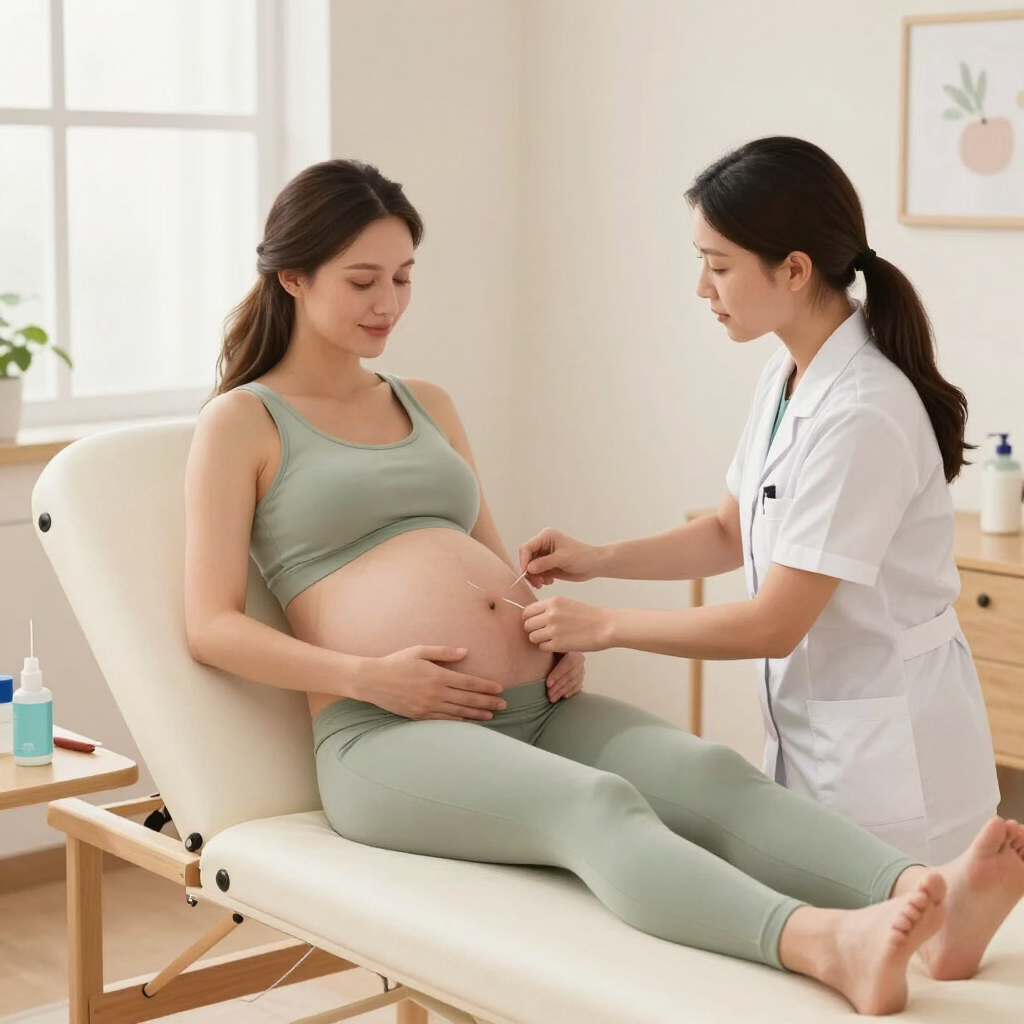
Acupuncture is a popular complementary therapy for women trying to conceive, especially those looking for support with stress, physical tension, cycle-related concerns, and overall well-being.
At Pulling Down the Moon,
acupuncture is part of a broader, whole-person approach to fertility care. Treatments are tailored to your individual needs and can be used on their own or alongside care from your OB/GYN or reproductive health provider.
For many women, acupuncture also offers dedicated time to slow down, reconnect with their body, and feel supported throughout the fertility journey.
Fertility-Focused Massage
At Pulling Down the Moon, Fertility Enhancing Massage™ was developed specifically with fertility clients in mind. The approach incorporates techniques that can be adapted to where you are in your cycle and can be used alongside acupuncture, nutrition, yoga, or other fertility care.
Massage can be powerful, supportive bodywork that gives you space to relax, reconnect with your body, and feel cared for during a process that can be physically and emotionally demanding.
Yoga and Other Mind-Body Therapies
Yoga can support both physical and emotional well-being during the fertility journey by combining movement, breathwork, mindfulness, and time to slow down.
Pulling Down the Moon's
Yoga for Fertility program was created specifically for women trying to conceive and combines fertility-friendly movement with stress support and community. Classes are available both in person and on demand, making it easier to find a practice that works with your schedule.
For women trying to conceive, yoga can create a little more space in a process that often feels centered around tracking, testing, and outcomes. It offers a chance to move, breathe, and reconnect with your body without asking it to perform.
Herbal Medicine: What to Consider
Herbal medicine is sometimes used as part of a holistic fertility plan, but it should be approached thoughtfully.
Herbs can have real physiological effects and may interact with medications, supplements, or other forms of care. [7] Some may also be inappropriate during certain stages of the menstrual cycle or pregnancy.
If you're curious about herbal support, talking with a qualified practitioner can help you sort through what may be appropriate for you. Pulling Down the Moon also carries a selection of holistic wellness products, including teas, tinctures, moxa, essential oils, and abdominal wraps that can be explored as part of that larger conversation.
Just be sure to keep your broader healthcare team informed about any herbs or supplements you're using so your care stays coordinated. [7]
Choosing Support Based on Your Needs
Holistic care doesn't have to mean adding every available therapy to your routine.
The right mix of support will depend on your health history, goals, schedule, budget, and what feels genuinely helpful to you. For some women, that may mean acupuncture and nutrition support. For others, massage, yoga, or a simpler combination may be a better fit.
A good plan should feel supportive and manageable, not like another full-time job.
Bring Holistic Fertility Support Home With Fully Fertile
Holistic support doesn’t always have to mean adding another appointment to your calendar. Pulling Down the Moon’s Fully Fertile app brings many of the tools and community that have supported our clients for more than two decades into a virtual experience you can access wherever you are.
Inside the app, you’ll find on-demand Yoga for Fertility, TTC-friendly fitness and strength training, nutrition education, mindful moments, holistic DIY resources, and the 14-day Path to Pregnancy program. Fully Fertile also includes a private community where you can connect, learn, and find support from others navigating their own fertility journeys.
Think of it as another way to build the practices that feel right for you into your everyday life. The app can help whether you’re looking for movement, nutrition guidance, stress support, practical education, or simply a community that gets it.
When It May Be Time to Talk With a Fertility Professional
A holistic approach isn't about waiting indefinitely for lifestyle changes to work.
Sometimes the most supportive thing you can do for yourself is gather more information.
If your periods are consistently irregular or absent, you suspect you may not be ovulating, or you have a health condition that could affect fertility, it's worth checking in with a healthcare provider.
Timing matters, too. General guidance recommends seeking a fertility evaluation after 12 months of trying if you are 35 or younger, or after 6 months if you are between 36 and 40. Evaluation may be appropriate sooner for people with irregular or absent ovulation, known fertility risk factors, or certain medical conditions. [8]
An evaluation doesn’t commit you to any particular treatment. It simply gives you more information about what may be affecting conception and what options make sense next.
Holistic Care Can Work Alongside Medical Fertility Care
Holistic and conventional fertility care don't have to exist on opposite sides of the room.
Many women use acupuncture, nutrition counseling, yoga, massage, mindfulness, or other supportive therapies while also working with an OB/GYN, reproductive endocrinologist, or other medical provider.
The roles are different, and that's okay.
Medical care can help diagnose and treat underlying reproductive conditions. Holistic care can help support nutrition, stress management, sleep, physical well-being, and the emotional experience of trying to conceive.
At Pulling Down the Moon, we’ve designed
holistic care programs to fit alongside the medical care you may already be receiving, with support that looks at your health, your lifestyle, and your fertility journey as a whole.
Creating a Fertility Plan That Supports Your Whole Life
Trying to get pregnant has a strange way of making you feel like you should always be doing more. More tracking. More supplements. More research. More appointments. More lifestyle changes.
But fertility isn't a test of how perfectly you can follow instructions.
At Pulling Down the Moon, we’ve designed holistic care programs to fit alongside the medical care you may already be receiving, with support that looks at your health, your lifestyle, and your fertility journey as a whole.
With us, a holistic approach is less about adding every possible intervention and more about understanding what your body needs, supporting the foundations of good health, recognizing when additional care may be helpful, and finding resources that make the process feel more manageable.
We’ll start with the basics: learning your cycle, nourishing your body, moving your body in ways that make you feel good, protecting your sleep when you can, paying attention to your emotional health, not being afraid to ask questions when something doesn't seem right, and giving yourself permission to get support.
At Pulling Down the Moon, we offer acupuncture, fertility-focused nutrition, yoga, massage, and other holistic services designed to complement your broader fertility care.
Reach out to our team today, or
visit one of our locations in Chicago or Highland Park, and we’ll help you build an approach that feels thoughtful, realistic, and tailored to where you are right now.
References
1. Mayo Clinic Staff. (2024, July 9). Ovulation signs: When is conception most likely? Mayo Clinic. https://www.mayoclinic.org/healthy-lifestyle/getting-pregnant/expert-answers/ovulation-signs/faq-20058000?
2. American College of Obstetricians and Gynecologists. (2019). Prepregnancy counseling. Obstetrics & Gynecology, 133(1), e78–e89. https://www.acog.org/clinical/clinical-guidance/committee-opinion/articles/2019/01/prepregnancy-counseling?
3. American College of Obstetricians and Gynecologists. (n.d.). Having a baby after age 35: How aging affects fertility and pregnancy. https://www.acog.org/womens-health/faqs/having-a-baby-after-age-35-how-aging-affects-fertility-and-pregnancy?
4. Endocrine Society. (2017). Hypothalamic amenorrhea guideline resources. https://www.endocrine.org/clinical-practice-guidelines/hypothalamic-amenorrhea?
5. Centers for Disease Control and Prevention. (2026, August 14). About alcohol use during pregnancy. https://cdc.gov/alcohol-pregnancy/about/index.html?
6. American College of Obstetricians and Gynecologists. (2010). Moderate caffeine consumption during pregnancy. Committee Opinion No. 462. https://www.acog.org/clinical/clinical-guidance/committee-opinion/articles/2010/08/moderate-caffeine-consumption-during-pregnancy?
7. National Center for Complementary and Integrative Health. (2024, December). Herb-drug interactions. National Institutes of Health. https://www.nccih.nih.gov/health/providers/digest/herb-drug-interactions?
8. American College of Obstetricians and Gynecologists. (2025). Anticipatory counseling regarding ovarian-factor fertility decline. https://www.acog.org/clinical/clinical-guidance/committee-statement/articles/2025/11/anticipatory-counseling-regarding-ovarian-factor-fertility-decline?
Share on Social
Discuss With Us
Our Latest Resources